


 Log Out



Set clear objectives
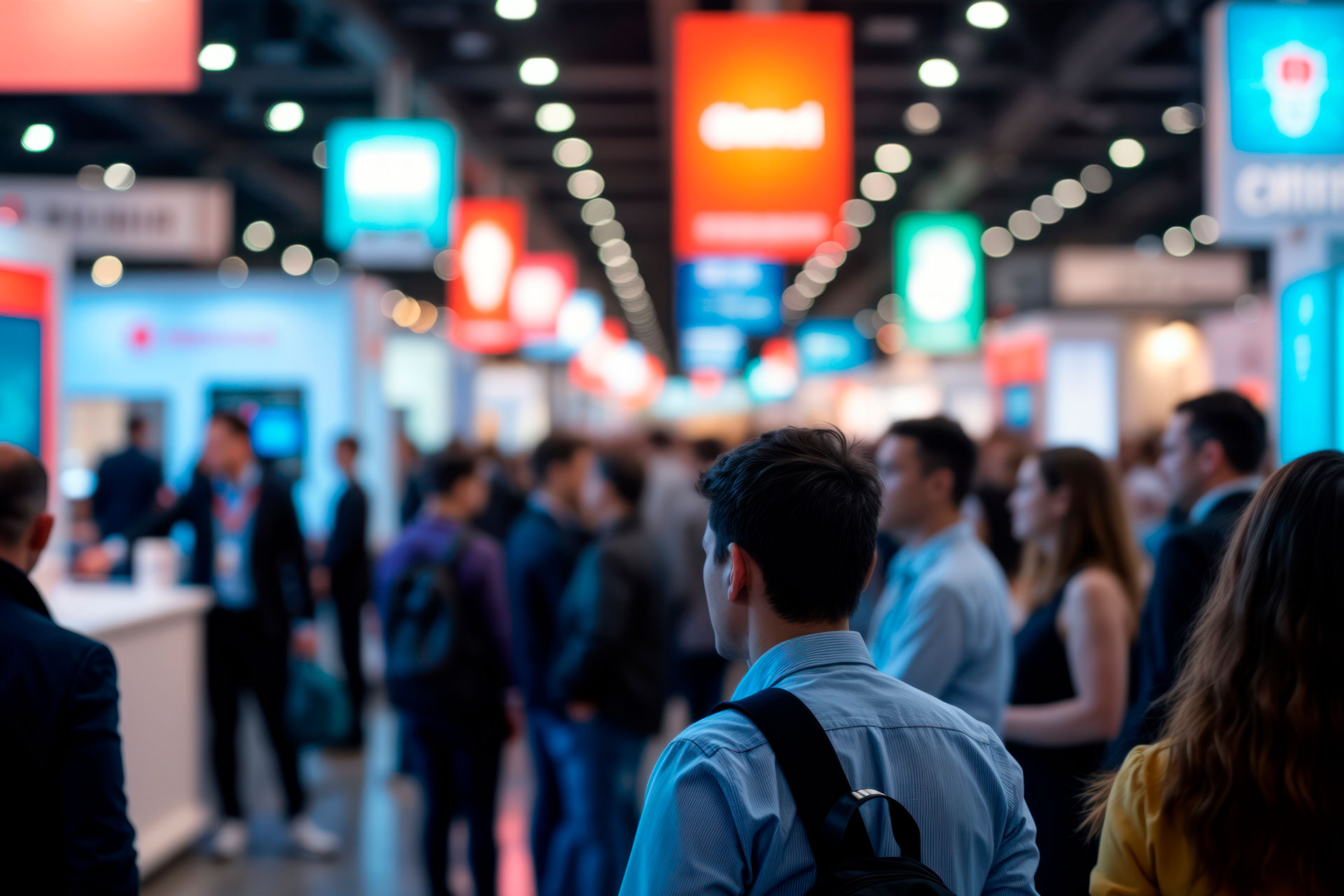
Before thinking about details such as stand design or promotional materials, it is essential to understand what the brand aims to achieve by participating in the fair/exhibition. Some common objectives for this type of event include:
- generating sales leads;
- launching a new product or service;
- reinforcing brand awareness;
- establishing partnerships;
- getting to know the market and the competition.
Setting objectives at the outset will guide all subsequent decisions, from the space chosen to the activities carried out at the venue.
Choosing the right trade fair
A successful presence starts with being in the right place with the right people. Therefore, it is important to remember that not all trade fairs are suitable for all brands. It is essential to analyse aspects such as:
- the audience attending the event;
- the sector and positioning of the trade fair;
- the size and scope (local, national or international);
- the history of previous editions.
With this in mind, your choice will contribute to the success of the event.
The stand as an experience, not just a space
One of the most common mistakes when planning a presence at fairs/exhibitions is to think of the stand as just a physical point. Currently, the most effective stands are those that go beyond this, also functioning as brand experiences.
The design should be:
- consistent with the brand identity;
- visually appealing, but functional;
- designed to attract, welcome and retain visitors.
With this in mind, it is important to always remember that elements such as lighting, LED panels, scenography, interaction areas and well-defined spaces make all the difference in the public's perception.
Create reasons for the public to stop
At a trade fair, competition for visitors' attention is constant. Therefore, it is essential to create stimuli that encourage visitors to stop at the stand.
Some effective strategies can be:
- interactive activations;
- live demonstrations;
- digital or immersive experiences;
- games, dynamics or quick challenges;
- moving visual content.
The more engaging the experience, the longer the visitor will stay and the more likely they are to connect with the brand.
Physical presence at the stand
For the event to be successful and the brand to achieve favourable results, it is extremely important for the team to be present at the stand. However, it is not enough to just be present, you also need to know how to communicate.
Therefore, before the event, it is important that the team is aligned with:
- the objectives of the event;
- the brand's key message;
- the approach to the public;
- the process of collecting contacts;
- the post-event follow-up.
With a well-prepared and attentive team, the brand will be able to demonstrate a high level of professionalism, confidence and proximity.
Focus on continuous communication
Attending a trade fair does not just begin on the day of the event, nor does it end when it is over. Constant communication is necessary to achieve the desired results. Therefore, it is important to communicate before, during and after the event. We suggest the following:
- Before: publicise your participation, invite customers and partners, announce news.
- During: share content in real time, show the atmosphere, create a buzz on social media.
- After: follow up, thank visitors, share the results and content of the event.
This continuous communication will help increase the return on participation and prolong the impact of your presence at the trade fair.
Logistics and technical production
Some very important aspects for a good experience are logistics, assembly, disassembly, technical equipment, timings and coordination. When well managed, these can go unnoticed, but when they fail, they compromise the entire event. Therefore, ensuring that the sound, lighting, image, structures and equipment work correctly is essential for a professional and smooth presence.
Measuring results
Once the fair/exhibition is over, it is important to analyse the results in order to improve possible participation in future events and make each fair/exhibition more effective than the previous one. To do this, it is essential to analyse:
- the number of contacts generated;
- the quality of the leads;
- feedback from the team and visitors;
- the impact of the presence on social media and communication.
Conclusion
Attending trade fairs and exhibitions is an excellent opportunity for any brand, as long as it is done strategically, with creativity and a focus on the visitor experience. A well-designed stand, with a prepared team and good communication, can transform a simple participation into a real point of contact with the public.
With this in mind, Anywhere Everywhere supports brands throughout this process, from the design and production of stands to the creation of experiences, activations, and technical solutions that help highlight the presence of brands at trade fairs and exhibitions.
In an environment where brands constantly compete for public attention, creating a technically well-executed event is no longer enough. What distinguishes an ordinary event from a memorable one is the ability to tell a story that engages, makes sense for the brand, and creates an emotional connection with the audience. This is where storytelling takes centre stage.
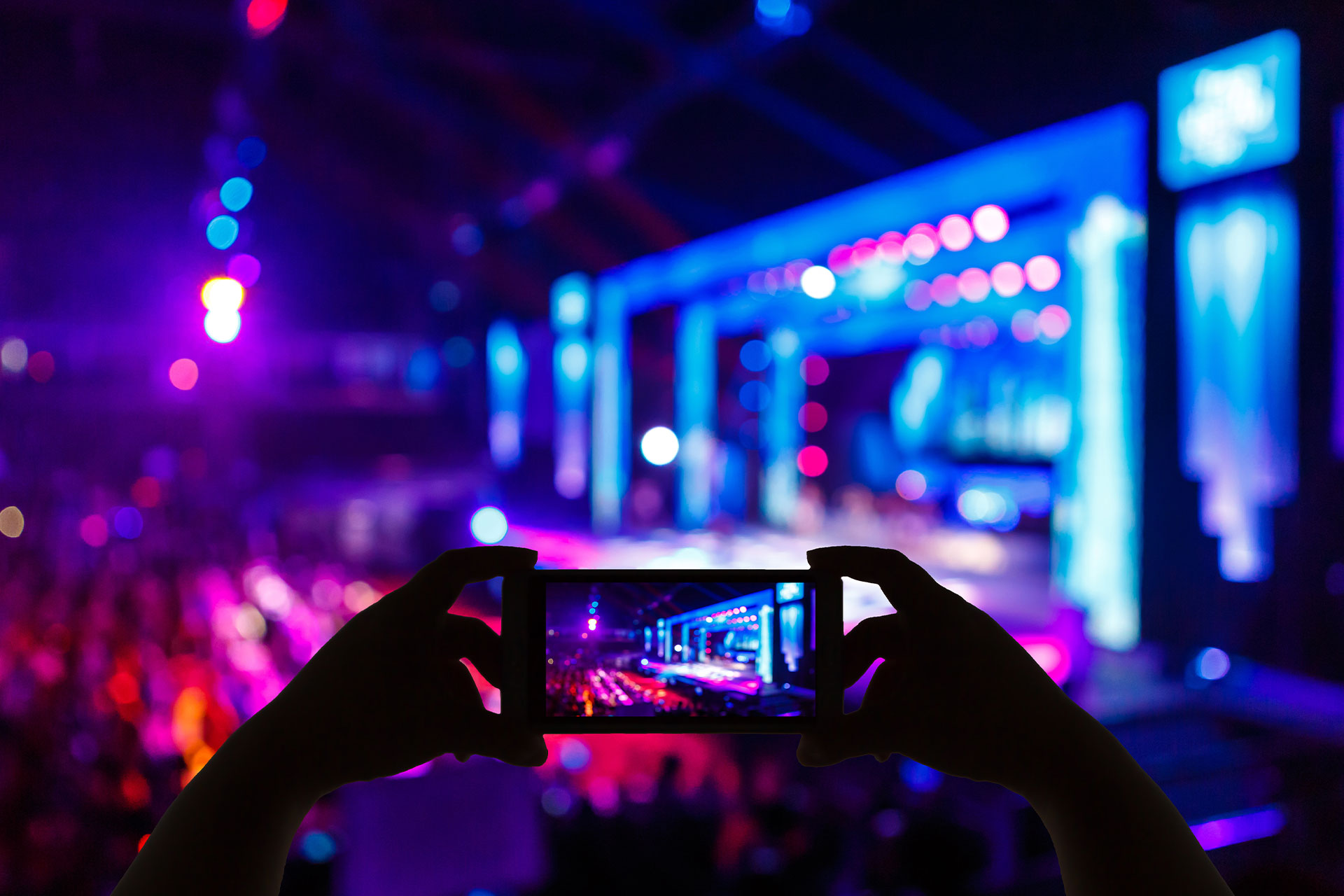
During 2025, we witnessed a significant evolution in the way corporate events are conceived and executed. Technology took on an even more central role, audiences became more demanding, and brands began to value experiences with real impact, both in person and digitally. This scenario paves the way for 2026, a year in which events are expected to cease being mere ‘meetings’ and become moments of experience, interaction, and personalisation. With this in mind, in this article we will present some of the trends that are sure to mark corporate events in 2026.