SEARCH
0
Stay tuned and updated.
11 Feb. 2026
Technology in service of an event: when "wow" meets control.

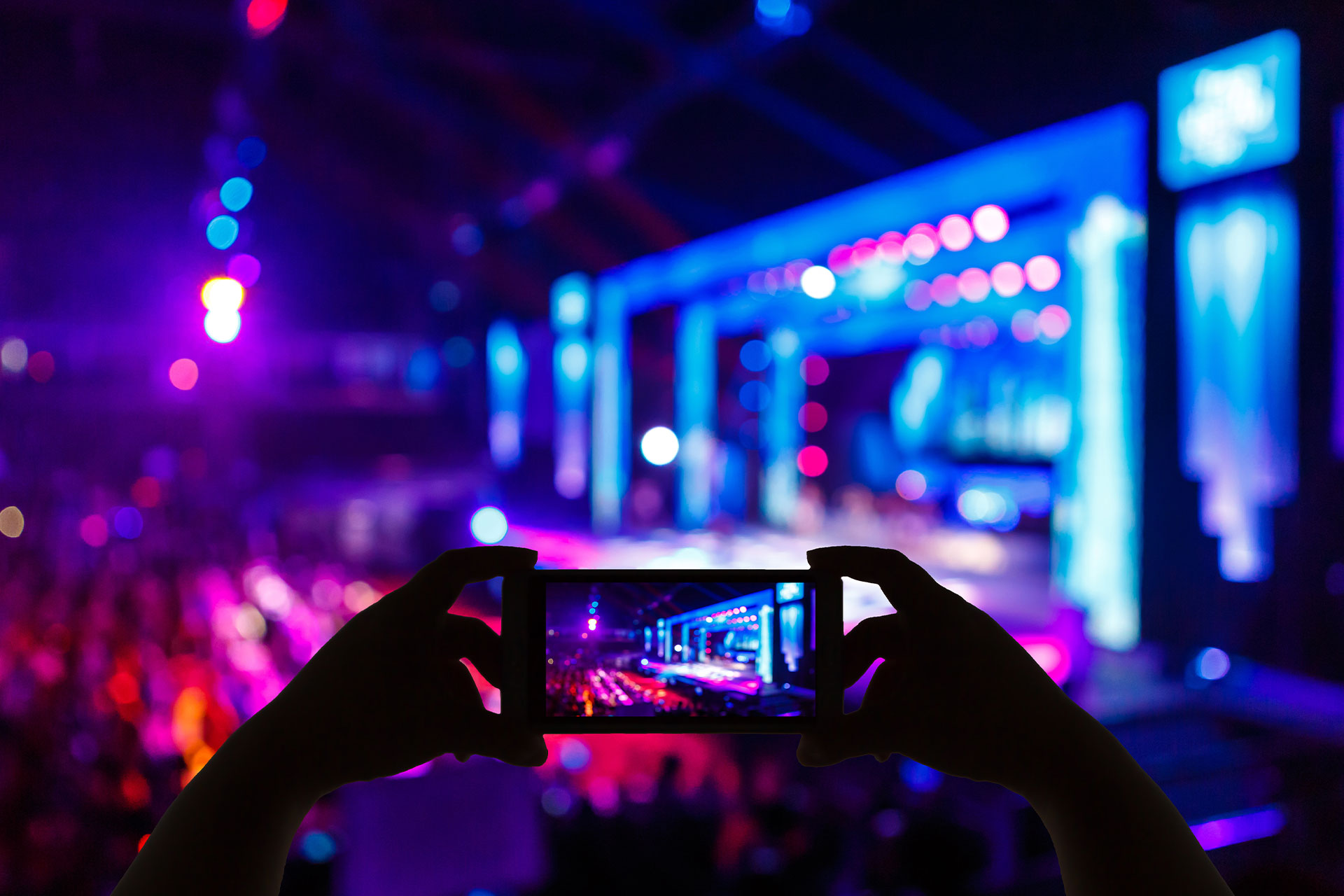
A few years ago, talking about technology at events was almost synonymous with "sound and image." Today, technology is the nervous system of the event: it improves the audience experience, reduces operational friction, provides predictability to production, and ultimately delivers data that helps measure the true impact.

Below is a practical overview of how to use technology to support the event (and not complicate it).

1) Before the event: planning to avoid improvisation

Technology works best when it's planned early in the planning process. Some key decisions that prevent headaches:

Participant journey: invitation → registration → check-in → agenda → networking → exit.

Needs map: what is "critical" (e.g., payments, streaming, sound) vs. "nice to have".

Risks and redundancy: internet, power, content backups, spare equipment.

The sooner these pieces of the puzzle fit into place, the cheaper and more stable the result becomes.

2) Check-in and access: fewer queues, more fluidity

The first physical contact with the event is usually check-in — and that's where technology pays immediate dividends:

QR codes / digital tickets to quickly validate entries

Real-time lists (online/offline) for access control

Accreditation and zones (VIP, staff, backstage) with simple rules

In addition to improving the experience, it reduces stress on the team and avoids "traffic jams" right at the entrance.

3) Stage, content and visual impact: LED, video and real-time

The stage is where the perception of quality is consolidated. Here, technology should serve three objectives: clarity, immersion and rhythm.

LED screens/video walls for branding, speakers, video, and dynamic content

Real-time graphics (low thirds, counts, results, audience questions)

Synchronization between light, sound, and video for key moments

When done well, the audience "feels" the professionalism even without understanding why.

4) Production and "mission control": the room no one sees (but controls everything)

Behind the scenes, the modern event functions like a broadcast:

Production (cameras, cuts, graphics)

Audio (microphones, mixes, returns)

Playback and content

Coordination of timings and cues

A well-organized "control room" is what separates a beautiful event from a consistent one.

5) Apps and communication with the public: agenda in your pocket

For conferences, launches, training sessions, and corporate events, an app (or web app) can centralize:

Agenda and rooms, maps, notifications

Networking (participants, messages, meetings)

Interaction (polls, questions and answers, feedback)

This reduces paper, improves guidance, and increases engagement—especially in events with multiple sessions.

6) Data and post-event: measuring to improve (and sell)

Technology isn't just "during." It's also after:

attendance rate (registered vs. check-ins)

most viewed sessions / interactions

leads captured (when applicable)

feedback per session

These data help justify investment, optimize the next edition, and demonstrate return on investment for the client.

Quick checklist: “Technology that helps”

If you want a more professional event without complications:

✅ Digital check-in (QR) + offline plan

✅ Centralized and tested content (backups included)

✅ Network and power with redundancy for the critic

✅ Control room with clear responsibilities

✅ Communication plan with the audience (app/WhatsApp/email)

✅ Metrics defined before the event (what is “success”?)

Conclusion

The best technology in events is the one you don't notice—because everything flows. When well thought out, it transforms the event into an experience: more fluid for the audience, more controlled for production, and more measurable for the client.

Read article
12 Jan. 2026
Technology in service of an event: when "wow" meets control.

A few years ago, talking about technology at events was almost synonymous with "sound and image." Today, technology is the nervous system of the event: it improves the audience experience, reduces operational friction, provides predictability to production, and ultimately delivers data that helps measure the true impact.

Below is a practical overview of how to use technology to support the event (and not complicate it).

1) Before the event: planning to avoid improvisation

Technology works best when it's planned early in the planning process. Some key decisions that prevent headaches:

Participant journey: invitation → registration → check-in → agenda → networking → exit.

Needs map: what is "critical" (e.g., payments, streaming, sound) vs. "nice to have".

Risks and redundancy: internet, power, content backups, spare equipment.

The sooner these pieces of the puzzle fit into place, the cheaper and more stable the result becomes.

2) Check-in and access: fewer queues, more fluidity

The first physical contact with the event is usually check-in — and that's where technology pays immediate dividends:

QR codes / digital tickets to quickly validate entries

Real-time lists (online/offline) for access control

Accreditation and zones (VIP, staff, backstage) with simple rules

In addition to improving the experience, it reduces stress on the team and avoids "traffic jams" right at the entrance.

3) Stage, content and visual impact: LED, video and real-time

The stage is where the perception of quality is consolidated. Here, technology should serve three objectives: clarity, immersion and rhythm.

LED screens/video walls for branding, speakers, video, and dynamic content

Real-time graphics (low thirds, counts, results, audience questions)

Synchronization between light, sound, and video for key moments

When done well, the audience "feels" the professionalism even without understanding why.

4) Production and "mission control": the room no one sees (but controls everything)

Behind the scenes, the modern event functions like a broadcast:

Production (cameras, cuts, graphics)

Audio (microphones, mixes, returns)

Playback and content

Coordination of timings and cues

A well-organized "control room" is what separates a beautiful event from a consistent one.

5) Apps and communication with the public: agenda in your pocket

For conferences, launches, training sessions, and corporate events, an app (or web app) can centralize:

Agenda and rooms, maps, notifications

Networking (participants, messages, meetings)

Interaction (polls, questions and answers, feedback)

This reduces paper, improves guidance, and increases engagement—especially in events with multiple sessions.

6) Data and post-event: measuring to improve (and sell)

Technology isn't just "during." It's also after:

attendance rate (registered vs. check-ins)

most viewed sessions / interactions

leads captured (when applicable)

feedback per session

These data help justify investment, optimize the next edition, and demonstrate return on investment for the client.

Quick checklist: “Technology that helps”

If you want a more professional event without complications:

✅ Digital check-in (QR) + offline plan

✅ Centralized and tested content (backups included)

✅ Network and power with redundancy for the critic

✅ Control room with clear responsibilities

✅ Communication plan with the audience (app/WhatsApp/email)

✅ Metrics defined before the event (what is “success”?)

Conclusion

The best technology in events is the one you don't notice—because everything flows. When well thought out, it transforms the event into an experience: more fluid for the audience, more controlled for production, and more measurable for the client.

Read article
Events | 18 Dec. 2025
Technology in service of an event: when "wow" meets control.

A few years ago, talking about technology at events was almost synonymous with "sound and image." Today, technology is the nervous system of the event: it improves the audience experience, reduces operational friction, provides predictability to production, and ultimately delivers data that helps measure the true impact.

Below is a practical overview of how to use technology to support the event (and not complicate it).

1) Before the event: planning to avoid improvisation

Technology works best when it's planned early in the planning process. Some key decisions that prevent headaches:

Participant journey: invitation → registration → check-in → agenda → networking → exit.

Needs map: what is "critical" (e.g., payments, streaming, sound) vs. "nice to have".

Risks and redundancy: internet, power, content backups, spare equipment.

The sooner these pieces of the puzzle fit into place, the cheaper and more stable the result becomes.

2) Check-in and access: fewer queues, more fluidity

The first physical contact with the event is usually check-in — and that's where technology pays immediate dividends:

QR codes / digital tickets to quickly validate entries

Real-time lists (online/offline) for access control

Accreditation and zones (VIP, staff, backstage) with simple rules

In addition to improving the experience, it reduces stress on the team and avoids "traffic jams" right at the entrance.

3) Stage, content and visual impact: LED, video and real-time

The stage is where the perception of quality is consolidated. Here, technology should serve three objectives: clarity, immersion and rhythm.

LED screens/video walls for branding, speakers, video, and dynamic content

Real-time graphics (low thirds, counts, results, audience questions)

Synchronization between light, sound, and video for key moments

When done well, the audience "feels" the professionalism even without understanding why.

4) Production and "mission control": the room no one sees (but controls everything)

Behind the scenes, the modern event functions like a broadcast:

Production (cameras, cuts, graphics)

Audio (microphones, mixes, returns)

Playback and content

Coordination of timings and cues

A well-organized "control room" is what separates a beautiful event from a consistent one.

5) Apps and communication with the public: agenda in your pocket

For conferences, launches, training sessions, and corporate events, an app (or web app) can centralize:

Agenda and rooms, maps, notifications

Networking (participants, messages, meetings)

Interaction (polls, questions and answers, feedback)

This reduces paper, improves guidance, and increases engagement—especially in events with multiple sessions.

6) Data and post-event: measuring to improve (and sell)

Technology isn't just "during." It's also after:

attendance rate (registered vs. check-ins)

most viewed sessions / interactions

leads captured (when applicable)

feedback per session

These data help justify investment, optimize the next edition, and demonstrate return on investment for the client.

Quick checklist: “Technology that helps”

If you want a more professional event without complications:

✅ Digital check-in (QR) + offline plan

✅ Centralized and tested content (backups included)

✅ Network and power with redundancy for the critic

✅ Control room with clear responsibilities

✅ Communication plan with the audience (app/WhatsApp/email)

✅ Metrics defined before the event (what is “success”?)

Conclusion

The best technology in events is the one you don't notice—because everything flows. When well thought out, it transforms the event into an experience: more fluid for the audience, more controlled for production, and more measurable for the client.

Read article
17 Nov. 2025
Technology in service of an event: when "wow" meets control.

A few years ago, talking about technology at events was almost synonymous with "sound and image." Today, technology is the nervous system of the event: it improves the audience experience, reduces operational friction, provides predictability to production, and ultimately delivers data that helps measure the true impact.

Below is a practical overview of how to use technology to support the event (and not complicate it).

1) Before the event: planning to avoid improvisation

Technology works best when it's planned early in the planning process. Some key decisions that prevent headaches:

Participant journey: invitation → registration → check-in → agenda → networking → exit.

Needs map: what is "critical" (e.g., payments, streaming, sound) vs. "nice to have".

Risks and redundancy: internet, power, content backups, spare equipment.

The sooner these pieces of the puzzle fit into place, the cheaper and more stable the result becomes.

2) Check-in and access: fewer queues, more fluidity

The first physical contact with the event is usually check-in — and that's where technology pays immediate dividends:

QR codes / digital tickets to quickly validate entries

Real-time lists (online/offline) for access control

Accreditation and zones (VIP, staff, backstage) with simple rules

In addition to improving the experience, it reduces stress on the team and avoids "traffic jams" right at the entrance.

3) Stage, content and visual impact: LED, video and real-time

The stage is where the perception of quality is consolidated. Here, technology should serve three objectives: clarity, immersion and rhythm.

LED screens/video walls for branding, speakers, video, and dynamic content

Real-time graphics (low thirds, counts, results, audience questions)

Synchronization between light, sound, and video for key moments

When done well, the audience "feels" the professionalism even without understanding why.

4) Production and "mission control": the room no one sees (but controls everything)

Behind the scenes, the modern event functions like a broadcast:

Production (cameras, cuts, graphics)

Audio (microphones, mixes, returns)

Playback and content

Coordination of timings and cues

A well-organized "control room" is what separates a beautiful event from a consistent one.

5) Apps and communication with the public: agenda in your pocket

For conferences, launches, training sessions, and corporate events, an app (or web app) can centralize:

Agenda and rooms, maps, notifications

Networking (participants, messages, meetings)

Interaction (polls, questions and answers, feedback)

This reduces paper, improves guidance, and increases engagement—especially in events with multiple sessions.

6) Data and post-event: measuring to improve (and sell)

Technology isn't just "during." It's also after:

attendance rate (registered vs. check-ins)

most viewed sessions / interactions

leads captured (when applicable)

feedback per session

These data help justify investment, optimize the next edition, and demonstrate return on investment for the client.

Quick checklist: “Technology that helps”

If you want a more professional event without complications:

✅ Digital check-in (QR) + offline plan

✅ Centralized and tested content (backups included)

✅ Network and power with redundancy for the critic

✅ Control room with clear responsibilities

✅ Communication plan with the audience (app/WhatsApp/email)

✅ Metrics defined before the event (what is “success”?)

Conclusion

The best technology in events is the one you don't notice—because everything flows. When well thought out, it transforms the event into an experience: more fluid for the audience, more controlled for production, and more measurable for the client.

Read article
Events | 14 Oct. 2025
Technology in service of an event: when "wow" meets control.

A few years ago, talking about technology at events was almost synonymous with "sound and image." Today, technology is the nervous system of the event: it improves the audience experience, reduces operational friction, provides predictability to production, and ultimately delivers data that helps measure the true impact.

Read article
06 Oct. 2025
Technology in service of an event: when "wow" meets control.

A few years ago, talking about technology at events was almost synonymous with "sound and image." Today, technology is the nervous system of the event: it improves the audience experience, reduces operational friction, provides predictability to production, and ultimately delivers data that helps measure the true impact.

Below is a practical overview of how to use technology to support the event (and not complicate it).

1) Before the event: planning to avoid improvisation

Technology works best when it's planned early in the planning process. Some key decisions that prevent headaches:

Participant journey: invitation → registration → check-in → agenda → networking → exit.

Needs map: what is "critical" (e.g., payments, streaming, sound) vs. "nice to have".

Risks and redundancy: internet, power, content backups, spare equipment.

The sooner these pieces of the puzzle fit into place, the cheaper and more stable the result becomes.

2) Check-in and access: fewer queues, more fluidity

The first physical contact with the event is usually check-in — and that's where technology pays immediate dividends:

QR codes / digital tickets to quickly validate entries

Real-time lists (online/offline) for access control

Accreditation and zones (VIP, staff, backstage) with simple rules

In addition to improving the experience, it reduces stress on the team and avoids "traffic jams" right at the entrance.

3) Stage, content and visual impact: LED, video and real-time

The stage is where the perception of quality is consolidated. Here, technology should serve three objectives: clarity, immersion and rhythm.

LED screens/video walls for branding, speakers, video, and dynamic content

Real-time graphics (low thirds, counts, results, audience questions)

Synchronization between light, sound, and video for key moments

When done well, the audience "feels" the professionalism even without understanding why.

4) Production and "mission control": the room no one sees (but controls everything)

Behind the scenes, the modern event functions like a broadcast:

Production (cameras, cuts, graphics)

Audio (microphones, mixes, returns)

Playback and content

Coordination of timings and cues

A well-organized "control room" is what separates a beautiful event from a consistent one.

5) Apps and communication with the public: agenda in your pocket

For conferences, launches, training sessions, and corporate events, an app (or web app) can centralize:

Agenda and rooms, maps, notifications

Networking (participants, messages, meetings)

Interaction (polls, questions and answers, feedback)

This reduces paper, improves guidance, and increases engagement—especially in events with multiple sessions.

6) Data and post-event: measuring to improve (and sell)

Technology isn't just "during." It's also after:

attendance rate (registered vs. check-ins)

most viewed sessions / interactions

leads captured (when applicable)

feedback per session

These data help justify investment, optimize the next edition, and demonstrate return on investment for the client.

Quick checklist: “Technology that helps”

If you want a more professional event without complications:

✅ Digital check-in (QR) + offline plan

✅ Centralized and tested content (backups included)

✅ Network and power with redundancy for the critic

✅ Control room with clear responsibilities

✅ Communication plan with the audience (app/WhatsApp/email)

✅ Metrics defined before the event (what is “success”?)

Conclusion

The best technology in events is the one you don't notice—because everything flows. When well thought out, it transforms the event into an experience: more fluid for the audience, more controlled for production, and more measurable for the client.

Read article

Reading is breathing in with the mind.

We are Ready