


 Log Out


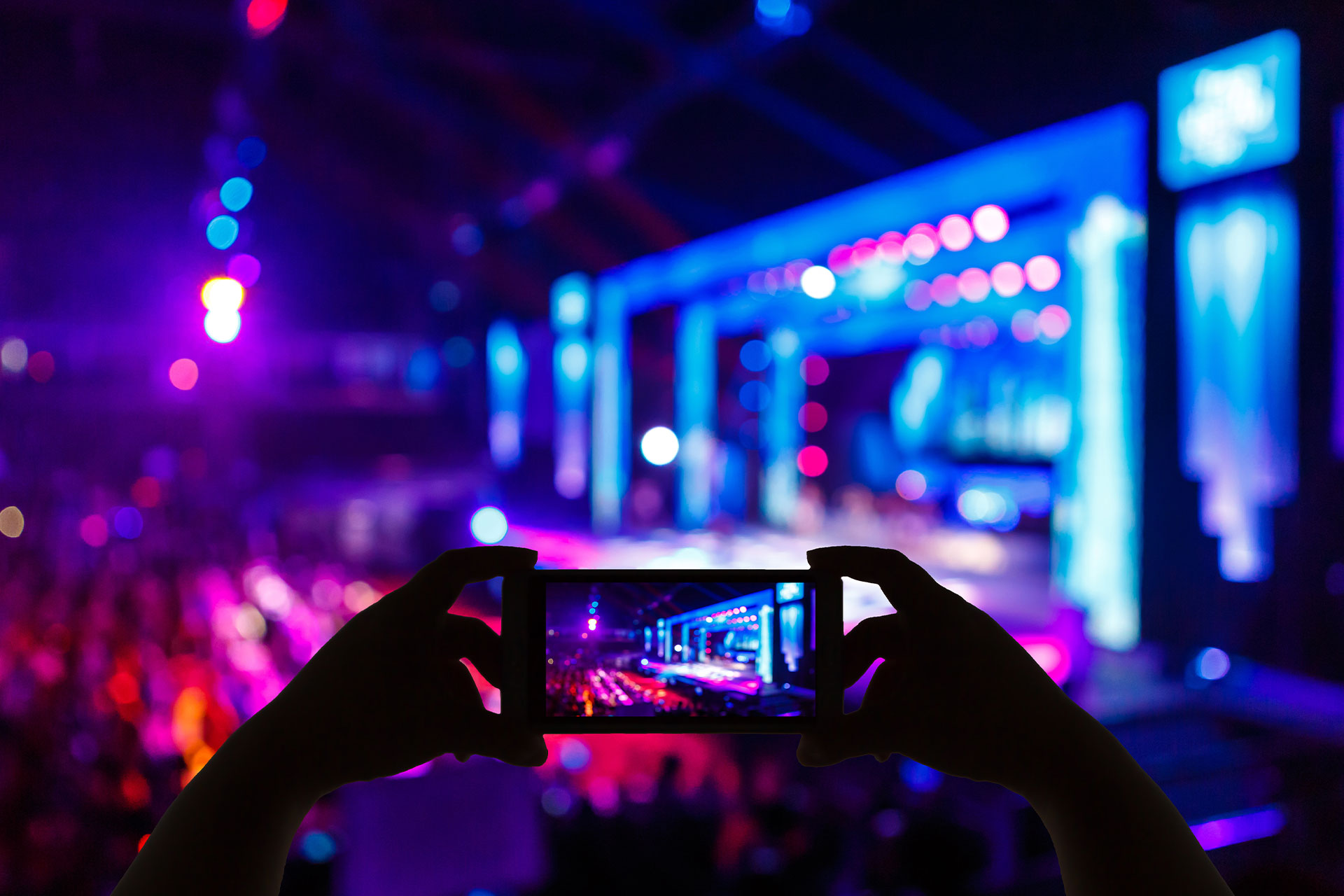

Hyper-personalisation
With advances in artificial intelligence technologies and data collection and analysis tools, personalisation is no longer ‘general’ but highly specific. Thus, in 2026, there is expected to be an increase in ‘tailor-made’ experiences, adapted to the interests, behaviours and preferences of each member of the public. From personalised agendas to recommended content and differentiated experiences in the space, hyper-personalisation increases audience engagement and perception of the event's value.
Immersive experiences
Immersive experiences continue to gain prominence at events by implementing technologies such as virtual reality, augmented reality, interactive projections and engaging digital environments. These types of solutions allow participants to be transported to completely different worlds, creating an emotional impact and making the experience memorable. At corporate events, these technologies are increasingly used for product presentations, brand storytelling and innovative demonstrations.
Hybrid events
Hybrid events are a strategic solution and a trend for 2026 because, by combining in-person and digital formats, companies can increase their reach, include remote audiences and extend the life of the event through recorded content or live streaming. Thus, in 2026, hybrid events will become more sophisticated, with greater possibility for interaction between in-person and online participants, ensuring equally relevant experiences for both parties.
Gamification
One trend that is proving to be one of the most effective ways to engage participants is gamification. By incorporating games and challenges, events become more dynamic and participatory. This approach not only increases engagement time but also facilitates learning, networking, and interaction among participants, especially in corporate events and training sessions.
Sustainability
With increasing climate concerns, sustainability is no longer a differentiating factor but an expectation. In 2026, corporate events are expected to focus on more conscious practices, such as waste reduction, material reuse, choosing local suppliers, and digital solutions that replace physical materials. In addition to their positive environmental impact, these types of practices reinforce the brand's image with the public, which is increasingly attentive to these issues.
Tech-forward design
In terms of design, events must keep pace with technological developments in order to optimise the event. Spaces with modern aesthetics, integrated LED panels, interactive experiences, digital environments and flexible layouts are becoming increasingly common. Here, design is no longer just visual, but also functional, creating intuitive paths and experiences that flow naturally within the event.
Direct content and more networking
With the audience's attention span decreasing, it is expected that corporate events in 2026 will increasingly focus on shorter, more direct and objective lectures, interspersed with networking moments. Instead of long consecutive sessions, the focus will be on high-impact content, with strategic breaks that encourage the exchange of ideas and connections between participants. This format not only keeps the audience engaged, but also values what many audience members are looking for in an event: real opportunities for contact, sharing and creating relevant professional relationships.
Conclusion
With this vision, it is generally expected that corporate events in 2026 will be more personalised, immersive, high-tech and focused on the participant's experience. Brands that decide to follow these trends will be able to create events that are more relevant and in line with the expectations of today's audience.
Anywhere Everywhere keeps up with these evolving trends, integrating technological solutions, interactive experiences, technical production and hybrid formats to help brands create events aligned with the trends of the future.
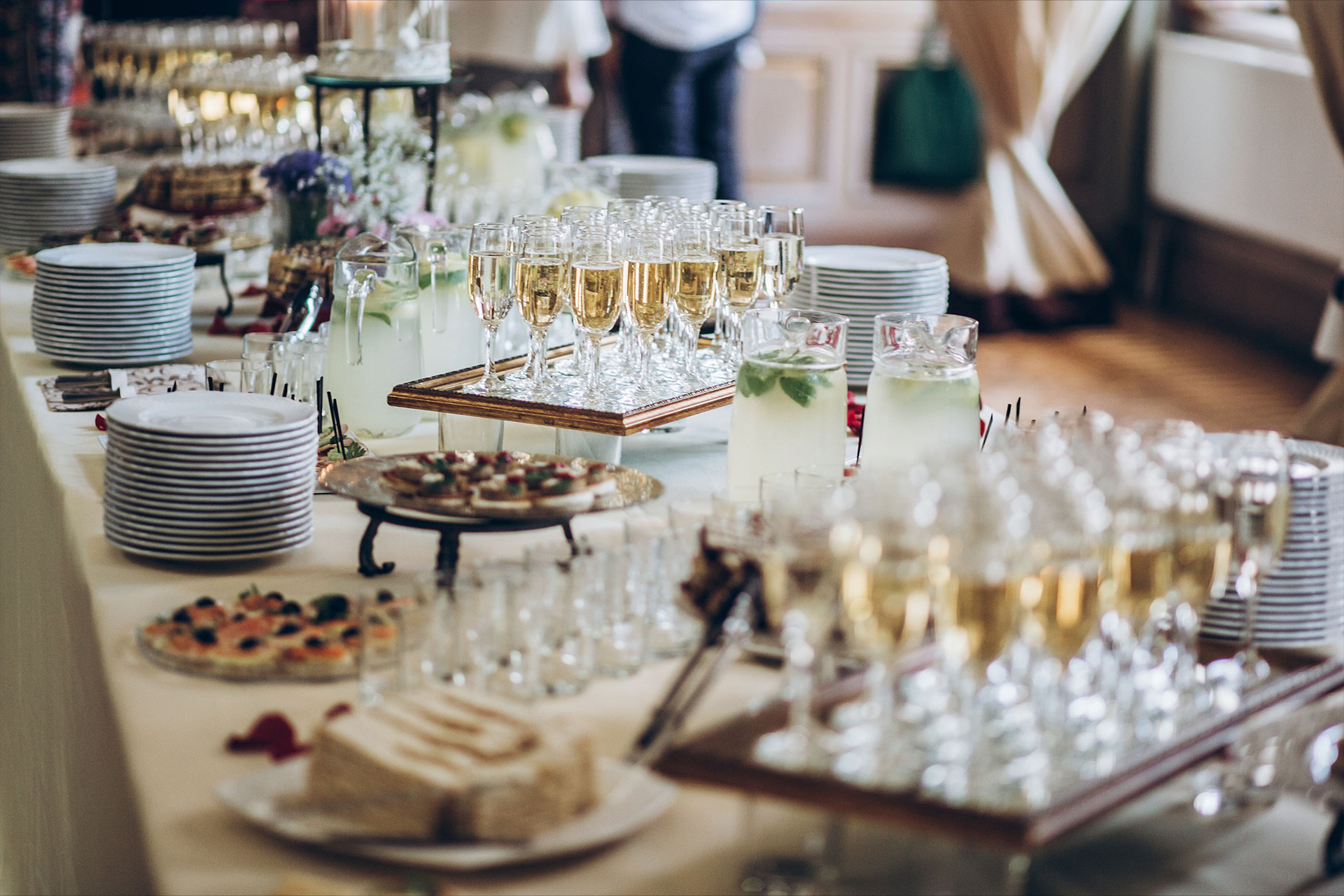
A space can say a lot about a brand. However, it is not the space itself that will create an impact, but rather the creative choices behind it. Even simple and ‘basic’ environments, such as an empty room, a corner at a trade fair or a small stand, can be transformed into something memorable when they are strategically designed to engage the consumer, surprise them and communicate the essence of the brand. Here, we mention some practical ways to turn any space into a memorable experience.
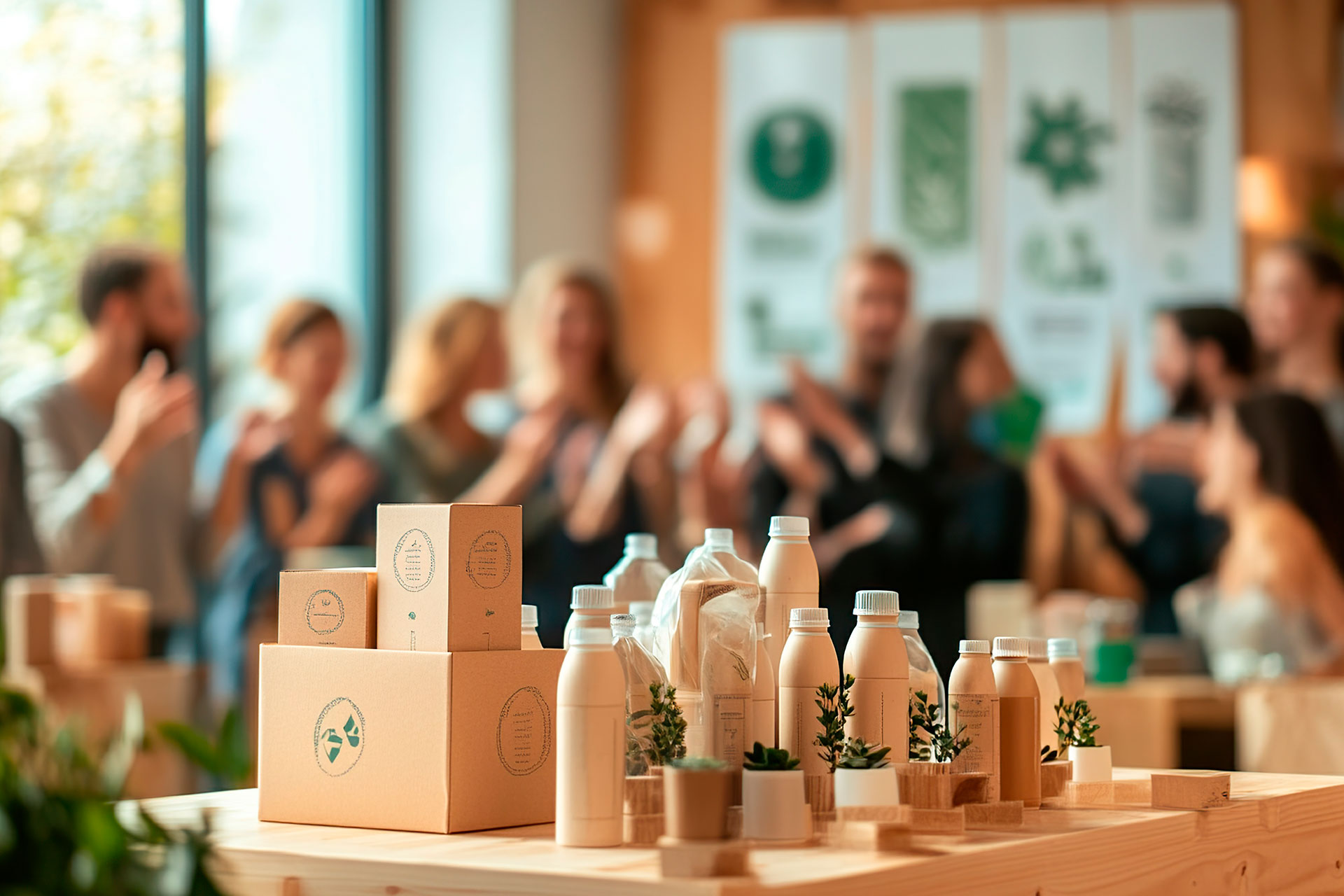
Launching a new product is always a decisive moment for a brand. This is the first real contact between the product and the public, and the way this moment is presented can directly influence consumer perception, interest and even purchase intent. This raises a common question: is it worth investing in a launch event or are there more effective alternatives?
The answer is not straightforward, but when well planned, launch events remain a powerful tool, as we will show throughout this article.