


 Log Out


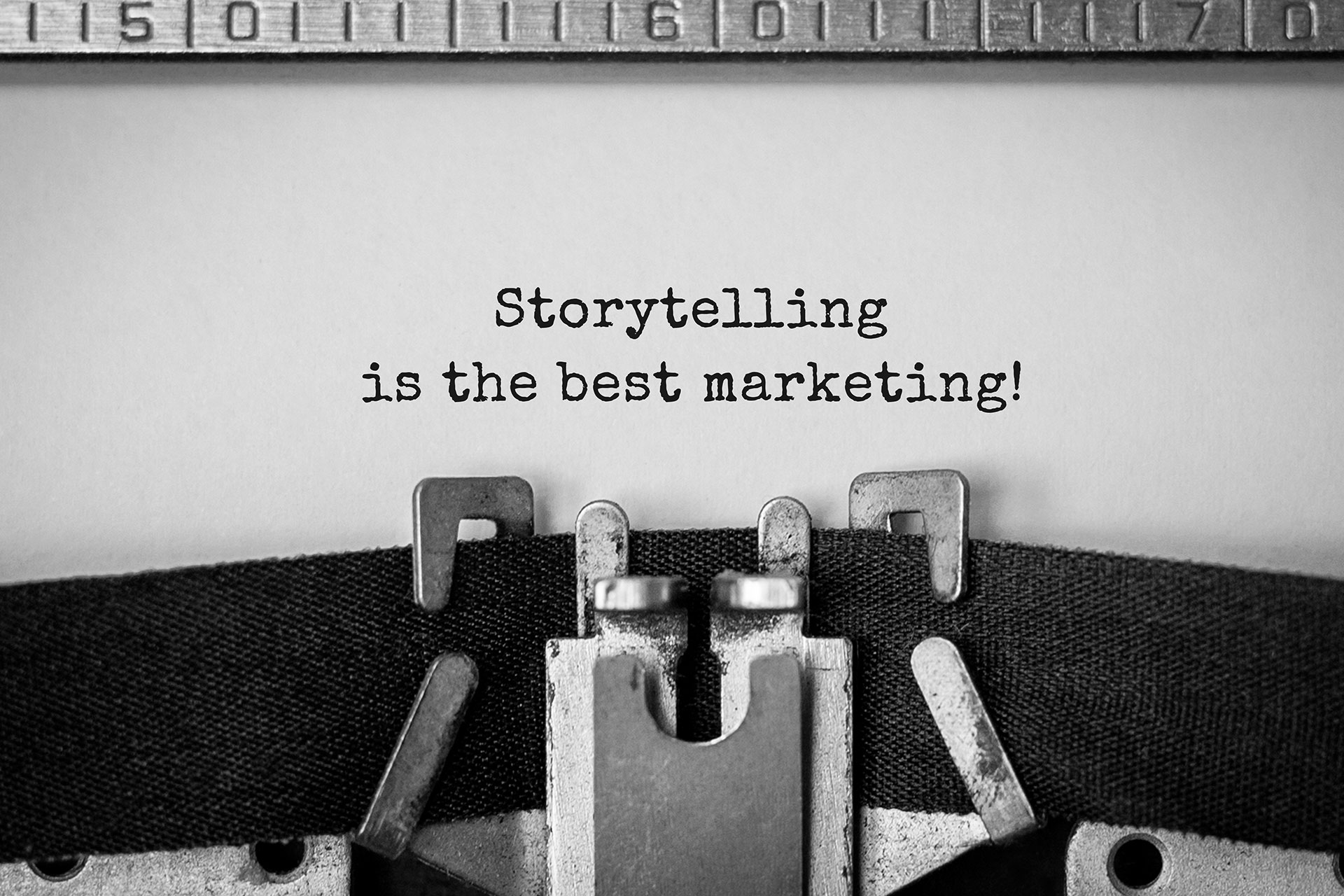

Storytelling: more than just telling a story
In the world of events, storytelling is not just about having a catchy theme or slogan. It means creating a coherent narrative that connects all the elements of the event: the space, the pace, the content, the experiences and the interactions.
When there is storytelling, participants do not experience isolated moments, they experience a story with a beginning, middle and end.
Why does storytelling make events memorable?
People remember experiences much more than isolated pieces of information. An event with storytelling:
- creates emotional engagement;
- facilitates understanding of the message;
- reinforces brand identity;
- increases the likelihood of being remembered and shared.
By associating emotions with the experience, the brand leaves a more lasting impression on the audience's memory.
How storytelling manifests itself in an event
Storytelling can be present in many ways, often in subtle ways:
- In the space: the design, colours, lighting and layout create environments that communicate values and intentions.
- In the audience's journey: from arrival to closing, every moment should have a purpose.
- In the content: speeches, presentations and activations should reinforce the same narrative.
- In interaction: interactive experiences help the audience to ‘enter’ the story.
All these aspects must work together to convey a clear and consistent message.
Storytelling applied to different types of events
Storytelling must be adapted to the purpose of the event, for example:
- At a product launch, the narrative can follow the evolution of the idea until its realisation.
- At a corporate event, it can reinforce the company's culture, vision or achievements.
- In a brand activation, it can invite the audience to be part of the story.
Regardless of the format, the logic is the same: give meaning to the experience.
Technology as an ally of storytelling
Technology does not replace storytelling, but reinforces it. Elements such as LED panels, immersive experiences, audiovisual content or interactive activations help bring the narrative to life and make it more engaging.
When well integrated, technology helps to strengthen the story rather than distracting the audience.
Storytelling begins before and continues after the event
A good story is not limited to the moment of the event. It can begin in advance through invitations, teasers, and content, and continue after the event through videos, photographs, and sharing.
In this way, the event becomes a chapter in a larger brand story.
Conclusion
Memorable events do not happen by chance; they are built with intention, consistency and narrative. Storytelling allows spaces, moments and interactions to be transformed into meaningful experiences, creating a stronger connection between the brand and the audience.
Anywhere Everywhere works with storytelling as an integral part of the events it develops, combining creative concept, design, technology and production to create experiences that make sense and become memorable.

Organising a corporate event can seem challenging. With so many important steps, from setting goals to coordinating suppliers, it is natural for questions and some anxiety to arise, especially for those who have never been through this process before. To help brands organise events, we have put together everything you need to know in this guide. In just eight clear and practical steps, we explain how to structure, plan and execute a corporate event that not only fulfils the brand's purpose but also leaves a positive and lasting impression on participants.

A few years ago, talking about technology at events was almost synonymous with "sound and image." Today, technology is the nervous system of the event: it improves the audience experience, reduces operational friction, provides predictability to production, and ultimately delivers data that helps measure the true impact.